Sans actions, toute profession de foi envers l'écologie est vide de sens.
Depuis 2003, TerraVie est un OSBL de bienfaisance et de conservation qui préserve des terres à perpétuité au Québec afin de les transformer en aires protégées ou en réserves naturelles tout en permettant, sur un maximum de 25 % de son territoire, des projets d’écotourisme, d’agriculture biologique, d’habitation écologique ainsi que des projets d’éducation environnementale fondés sur les principes du développement durable. Le volet éducatif est au cœur de la mission de TerraVie. La collectivité que nous desservons par nos services est composée d’individus, de professionnels, d’étudiants, de stagiaires, d’organismes, d’associations, d’amateurs de plein air, conscientisés par les questions liées à l’environnement et qui cherchent des moyens de poser des gestes concrets pour une cohabitation harmonieuse avec la nature.
Projet à Montcalm
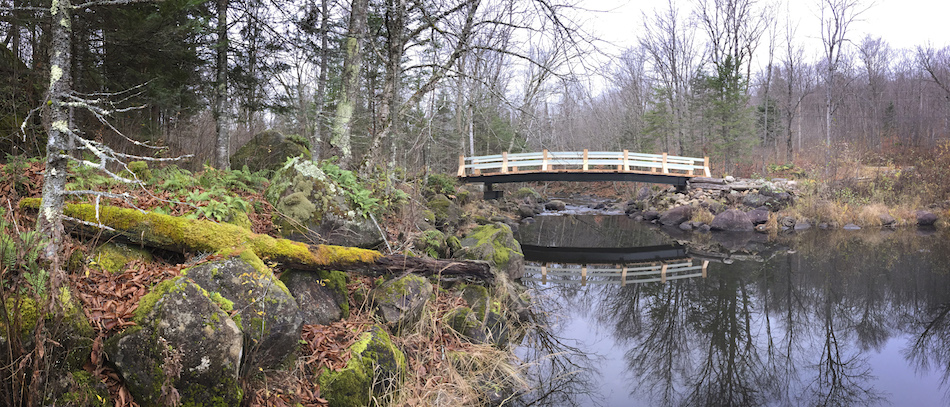
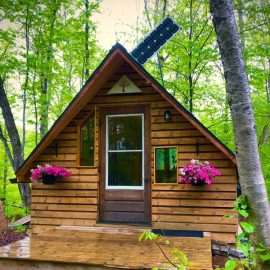
Notre projet se déroule au Lac du Brochet dans la municipalité de Montcalm dans les Laurentides au Québec. Nous sentons qu’il est important de collaborer avec le village de Montcalm et les alentours par des activités en nature qui sont sociales, éducatives, communautaires et intergénérationnelles. « Découvrez le projet » Louer le Centre de la nature pour un atelier, une réunion, un évènement, etc.